
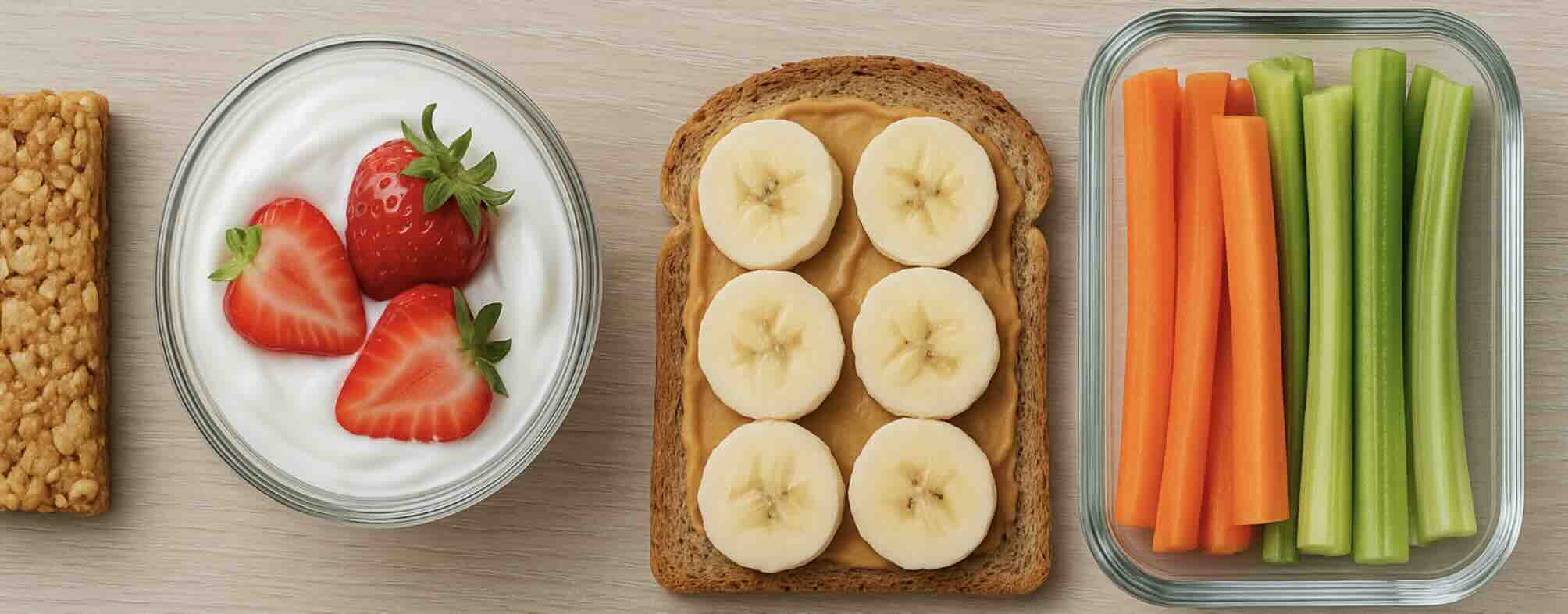
Quick answer: the best anti-inflammatory snacks are simple combinations of whole foods: berries, nuts and seeds, oily fish, extra virgin olive oil, beans and lentils, vegetables, plain yogurt or kefir, and spices like turmeric, ginger and cinnamon. Think walnuts with berries, hummus with crunchy vegetables, sardines on whole-grain crackers, or chia pudding with fruit.
No single snack "cures" inflammation. What the evidence supports is an overall eating pattern, such as the Mediterranean diet, built on plants, healthy fats and fish, with fewer ultra-processed foods. Snacks are an easy place to start, because they are often where chips, pastries and sugary drinks sneak in. Below are 25 ideas in five groups, a quick-pick table, prep tips and answers to common questions.
Table of Contents
- Quick-Pick Table: 10 Easy Anti-Inflammatory Snacks
- How Diet Relates to Inflammation
- Berry-Based Snacks (5 Ideas)
- Omega-3 Rich Snacks (5 Ideas)
- Spice and Herb Snacks (5 Ideas)
- Colorful Plant-Based Snacks (5 Ideas)
- Gut-Friendly Fermented Snacks (5 Ideas)
- Snacks to Make Occasional
- Weekly Prep Plan
- 3 Simple Recipes
- Frequently Asked Questions
Quick-Pick Table: 10 Easy Anti-Inflammatory Snacks
Nutrition figures are approximate and vary by brand and portion.
| Snack | Key foods | Approx. calories | Prep |
|---|---|---|---|
| Walnuts + blueberries | Omega-3 (ALA), polyphenols | ~250 | None |
| Plain Greek yogurt + berries | Protein, live cultures, fruit | ~180 | 1 min |
| Hummus + veggie sticks | Chickpeas, olive oil, fiber | ~180 | 3 min |
| Sardines on whole-grain crackers | Omega-3 (EPA/DHA), protein | ~250 | 2 min |
| Chia pudding with mango | Fiber, omega-3 (ALA) | ~220 | Overnight |
| Apple slices + almond butter + cinnamon | Fiber, healthy fats | ~280 | 2 min |
| Roasted chickpeas with rosemary | Legumes, olive oil, herbs | ~180 per 1/2 cup | 30 min batch |
| Olives, cherry tomatoes + cucumber | Olive polyphenols, vegetables | ~120 | 2 min |
| 2 squares 70%+ dark chocolate + strawberries | Cocoa flavanols, fruit | ~170 | None |
| Kefir smoothie with spinach + berries | Live cultures, greens, fruit | ~200 | 3 min |
How Diet Relates to Inflammation
Acute vs. chronic inflammation
Acute inflammation is your body's normal, short-lived response to an injury or infection: redness, swelling and heat that fade as you heal. Chronic low-grade inflammation is different. It can persist quietly for months or years and is associated with conditions such as heart disease, type 2 diabetes and some joint problems.
What the eating-pattern research suggests
Large observational studies and some trials link eating patterns rich in vegetables, fruit, legumes, whole grains, nuts, olive oil and fish with lower levels of inflammatory markers. Patterns high in added sugar, refined starches, processed meats and fried foods tend to be associated with higher levels. Lifestyle factors matter just as much: sleep, physical activity, not smoking and a healthy body weight all play a role.
Compounds worth knowing about
- Omega-3 fats: EPA and DHA in oily fish (salmon, sardines, mackerel), and ALA in walnuts, chia and flaxseed. Your body converts only a small share of ALA to EPA and DHA, so fish is the more direct source.
- Polyphenols: plant compounds found in berries, cocoa, green tea, olive oil, herbs and spices.
- Fiber: feeds gut bacteria, which produce short-chain fatty acids that help maintain a healthy gut lining. Beans, oats, fruit and vegetables are good sources.
- Healthy fats: extra virgin olive oil, avocado and nuts in place of refined snack oils and trans fats.
Most of the research on single compounds like curcumin uses concentrated supplements. In real snacks, the benefit comes from the overall food choices, not a magic ingredient.
Berry-Based Snacks (5 Ideas)
Berries are low in sugar compared with most fruit, high in fiber and rich in colorful polyphenols called anthocyanins. Frozen berries are just as useful as fresh and much cheaper out of season.
- Berry and walnut Greek yogurt bowl. 3/4 cup plain Greek yogurt, 1 cup mixed berries, 1 tablespoon chopped walnuts. Approx. 250 calories and 18 g protein. See our Greek yogurt parfait for a layered version.
- Frozen berry and spinach smoothie cubes. Blend 2 cups berries, 2 cups spinach, 1 tablespoon ground flaxseed, 1 cup unsweetened milk and a little fresh ginger. Freeze in ice cube trays and blend 4–6 cubes with a splash of milk when needed.
- Dark chocolate berry bark. Spread 3 oz melted 70%+ dark chocolate thinly on parchment, scatter with berries and chopped pistachios, then chill and break into pieces. A small square or two is a satisfying sweet snack.
- Blueberry chia pudding. 3 tablespoons chia seeds in 1 cup unsweetened milk with a pinch of cinnamon; refrigerate overnight and top with blueberries. Our chia pudding recipe has more flavor ideas.
- Strawberry and ricotta toast. Whole-grain toast with 2 tablespoons ricotta, sliced strawberries and torn basil.
Omega-3 Rich Snacks (5 Ideas)
General dietary guidance in the US suggests eating fish, especially oily fish, about twice a week. Snacks are an easy way to fit it in. Plant sources (walnuts, chia, flax) provide ALA.
- Smoked salmon and avocado nori wraps. Layer 2 oz smoked salmon, a few slices of avocado and cucumber strips on a nori sheet; roll and slice. Smoked salmon is salty, so keep portions modest if you watch sodium.
- Sardine and white bean stuffed mini peppers. Mash 1 can sardines in olive oil with 1/2 cup white beans, lemon juice, garlic and herbs; spoon into mini bell pepper halves.
- Flaxseed crackers with hummus. Mix 1 cup ground flaxseed with 1/2 cup water, herbs and salt, spread thin and bake until crisp. Serve with 1/4 cup hummus made with extra virgin olive oil.
- Walnut, cherry and cocoa energy bites. Blend 1 cup walnuts, 1/2 cup dried tart cherries, 3 tablespoons cocoa powder and 1 tablespoon chia seeds with a few dates to bind; roll into balls. See also our no-bake energy balls.
- Chia pudding with mango and turmeric. 3 tablespoons chia in 1 cup milk with 1/2 teaspoon turmeric and a pinch of black pepper; top with diced mango.
Spice and Herb Snacks (5 Ideas)
Herbs and spices add flavor without sugar or much salt, and many contain polyphenols. Use them generously, but treat them as part of good food rather than as medicine.
- Turmeric golden milk overnight oats. A make-ahead snack or light breakfast with turmeric, cinnamon, ginger and black pepper. Follow our turmeric golden milk overnight oats recipe.
- Cinnamon-ginger apple slices with almond butter. Slice an apple, toss with lemon juice, dust with cinnamon and ground ginger, and serve with 2 tablespoons almond butter.
- Rosemary and garlic roasted chickpeas. Toss 1 can drained chickpeas with olive oil, rosemary, garlic and salt; roast at 400°F for 25–30 minutes until crisp. Full method in our roasted chickpeas recipe.
- Spiced trail mix. 1/4 cup each walnuts, almonds and pumpkin seeds tossed with turmeric, cinnamon, a pinch of black pepper and a teaspoon of oil, toasted briefly. Portion into 1/4-cup servings, since nuts are calorie-dense.
- Basil and oregano white bean dip. Blend 1 can white beans, 3–4 tablespoons extra virgin olive oil, fresh basil, oregano, garlic and lemon juice. Serve with bell pepper, cucumber and carrot sticks.
Colorful Plant-Based Snacks (5 Ideas)
Different colors in plant foods usually mean different polyphenols and nutrients, so variety is the goal.
- Dark chocolate-dipped pomegranate clusters. Mix fresh pomegranate seeds with a little melted 70%+ dark chocolate, spoon into small clusters on parchment and chill.
- Purple cabbage wraps. Fill large purple cabbage leaves with avocado, sprouts, grated carrot and a lemon–olive oil dressing.
- Herbed quinoa salad cups. Cooked quinoa (try cooking it in brewed green tea for a subtle flavor) with cucumber, bell pepper, mint, olive oil and lemon, served in lettuce cups.
- Red grape, walnut and goat cheese bites. Small rounds of goat cheese topped with halved red grapes and walnut pieces.
- Mediterranean cucumber bites. Cucumber rounds topped with hummus or feta, tomato and olives. Try our Mediterranean cucumber bites.
Gut-Friendly Fermented Snacks (5 Ideas)
Fermented foods with live cultures, plus fiber-rich plant foods, support a diverse gut microbiome, which researchers increasingly link to immune and inflammatory balance. For many more ideas, see our guide to probiotic snacks.
- Jicama sticks with kimchi guacamole. Mash 1 avocado with 2 tablespoons finely chopped kimchi and lime juice; serve with jicama, a good source of prebiotic fiber.
- Kefir parfait. Layer 3/4 cup plain kefir (or thick kefir-style yogurt) with berries, a spoonful of low-sugar granola and hemp seeds.
- Quick miso soup with seaweed and mushrooms. Stir 1 tablespoon miso into 1 cup hot (not boiling) water and add dried seaweed and sliced shiitake. Miso is high in sodium, so keep it to a cup.
- Sauerkraut avocado toast. Whole-grain sourdough with mashed avocado, 2 tablespoons refrigerated (unpasteurized) sauerkraut, olive oil and hemp seeds.
- Coconut kefir chia pudding with cacao nibs. 1/2 cup coconut or dairy kefir with 3 tablespoons chia seeds; set for 2 hours and top with cacao nibs.
Snacks to Make Occasional
You don't need a perfect diet. But if inflammation is a concern, these are the snacks worth moving from "daily" to "now and then":
- Sugary drinks, candy, pastries and sweetened cereal bars (the American Heart Association suggests no more than about 25 g added sugar a day for most women and 36 g for most men). Our low-sugar snacks guide has easy swaps.
- Processed meats such as salami and hot dogs.
- Deep-fried chips and fried snack foods.
- Refined white-flour crackers and snack cakes.
Weekly Prep Plan (About 30 Minutes)
- Smoothie packs (5 min): freezer bags with 1 cup berries, 1 cup spinach or kale and 1 tablespoon ground flaxseed.
- Spice blend (5 min): mix turmeric, cinnamon, ginger and a little black pepper in a jar to sprinkle on yogurt, oats or fruit.
- Energy bites (10 min): walnuts, ground flaxseed, dates and cocoa powder blended and rolled; refrigerate for up to a week.
- Batch of chickpeas or bean dip (10 min active): roast a tray of chickpeas or blend a white bean dip for the week.
Storage tips
- Berries: wash only before eating, or freeze in a single layer and bag.
- Nuts and seeds: their oils can go rancid, so store in airtight containers, ideally in the fridge or freezer.
- Fresh ginger and turmeric root: freeze and grate straight from frozen.
- Herbs: trim and stand soft herbs in a glass of water in the fridge.
3 Simple Recipes
Golden Milk Chia Pudding
Ingredients (1 serving):
- 1 cup unsweetened almond or dairy milk
- 1 teaspoon ground turmeric, 1/4 teaspoon ground ginger, 1/4 teaspoon cinnamon
- Pinch of black pepper (helps absorption of curcumin)
- 1 teaspoon coconut oil and 1 teaspoon honey or maple syrup (optional)
- 3 tablespoons chia seeds
- 2 tablespoons chopped walnuts
Method: warm the milk with the spices, oil and sweetener without boiling; cool for 5–10 minutes, stir in the chia seeds, and refrigerate at least 2 hours. Top with walnuts.
Approx. per serving: 320 calories, 9 g protein, 12 g fiber.
Mediterranean Snack Bowl
Ingredients: 1/4 cup hummus, 1/4 cup chopped olives, 1/4 cup cherry tomatoes, 1/4 cup diced cucumber, 1 tablespoon red onion, parsley, 1 teaspoon extra virgin olive oil, lemon juice, oregano and 6 whole-grain crackers.
Method: spread hummus in a bowl, top with the vegetables and olives, drizzle with oil, lemon and oregano, and serve with crackers.
Approx. per serving: 285 calories, 7 g protein, 6 g fiber.
Cherry Walnut Recovery Bites
Ingredients (about 12 bites): 1 cup dried tart cherries, 1/2 cup walnuts, 1/2 cup almonds, 2 tablespoons ground flaxseed, 2 tablespoons softened coconut oil, 1 teaspoon turmeric, 1/2 teaspoon ginger, 1/4 teaspoon cinnamon, a pinch of black pepper, 1/4 cup cacao nibs.
Method: pulse the cherries and nuts in a food processor, add the remaining ingredients except cacao nibs and pulse until sticky, stir in the nibs, and roll into 1-inch balls. Refrigerate up to a week or freeze for 3 months.
Approx. per 2 bites: 215 calories, 5 g protein, 4 g fiber. Tart cherries also feature in our post-workout snacks guide.
A Note on Safety
Nuts, seeds, fish and dairy are common allergens. Whole nuts, whole grapes and sticky nut-butter bites are choking hazards for young children, so chop or adapt them. Turmeric and ginger are fine in food amounts, but talk to your doctor before taking them as supplements, especially if you take blood thinners, are pregnant, or have a medical condition. See our health disclaimer.
Frequently Asked Questions
What is the best anti-inflammatory snack?
There is no single best one. Good everyday choices combine whole plant foods and healthy fats: a handful of walnuts with berries, plain Greek yogurt with fruit, hummus with vegetables, or a small tin of sardines on whole-grain crackers. Variety over the week matters more than any one food.
Can snacks actually reduce inflammation?
Snacks alone will not switch inflammation off. Research links overall eating patterns, such as the Mediterranean diet, rich in vegetables, fruit, legumes, nuts, whole grains, olive oil and fish, with lower markers of chronic inflammation. Swapping ultra-processed snacks for these foods is one practical way to move your diet in that direction.
Which foods should I limit if I want to eat less inflammatory?
Diets high in added sugar, refined starches, processed meats, fried foods and sugary drinks are generally associated with higher inflammation. You do not need to ban them, but making them occasional rather than daily snacks is a sensible goal.
Does turmeric in food make a difference?
Turmeric adds flavor and contains curcumin, a compound studied for anti-inflammatory effects, mostly at supplement doses much higher than what you get from cooking. Using it in food is a pleasant habit, and adding black pepper and a little fat helps absorption, but it should not be relied on as a treatment.
Can anti-inflammatory foods help with arthritis or joint pain?
A balanced, Mediterranean-style diet is often recommended as part of managing inflammatory conditions and supports overall health and a healthy weight, which eases load on joints. Diet is a complement to, not a replacement for, the treatment plan from your doctor.
Do I need to buy organic to get the benefits?
No. Conventional, frozen and canned options such as frozen berries, canned beans and canned fish are affordable and nutritious. Eating more fruit, vegetables, legumes and nuts in any form matters far more than whether they are organic.
The Bottom Line
Anti-inflammatory snacking is less about exotic superfoods and more about steady, simple swaps: berries instead of candy, nuts instead of chips, hummus and vegetables instead of crackers, and fish a couple of times a week. Pick three or four ideas from this list, prep them on the weekend, and let them become your default snacks. For better rest, our sleep-promoting snacks guide pairs well with this one.
About This Guide
Written and maintained by the HealthSnackIdeas Editorial Team. We build our snack guides from publicly available nutrition research and dietary guidelines (USDA FoodData Central, Dietary Guidelines for Americans, WHO). This content is for general information only and is not a substitute for advice from your doctor or a registered dietitian. Read our health disclaimer.
Related Articles
Probiotic Snacks: 20 Gut-Friendly Snack Ideas
Yogurt, kefir, kimchi and more, plus prebiotic pairings that feed good gut bacteria.
Best Post-Workout Snacks for Muscle Recovery
Protein-and-carb combos to refuel and recover after training.
Turmeric Golden Milk Overnight Oats
A make-ahead spiced oat jar with turmeric, ginger and cinnamon.