
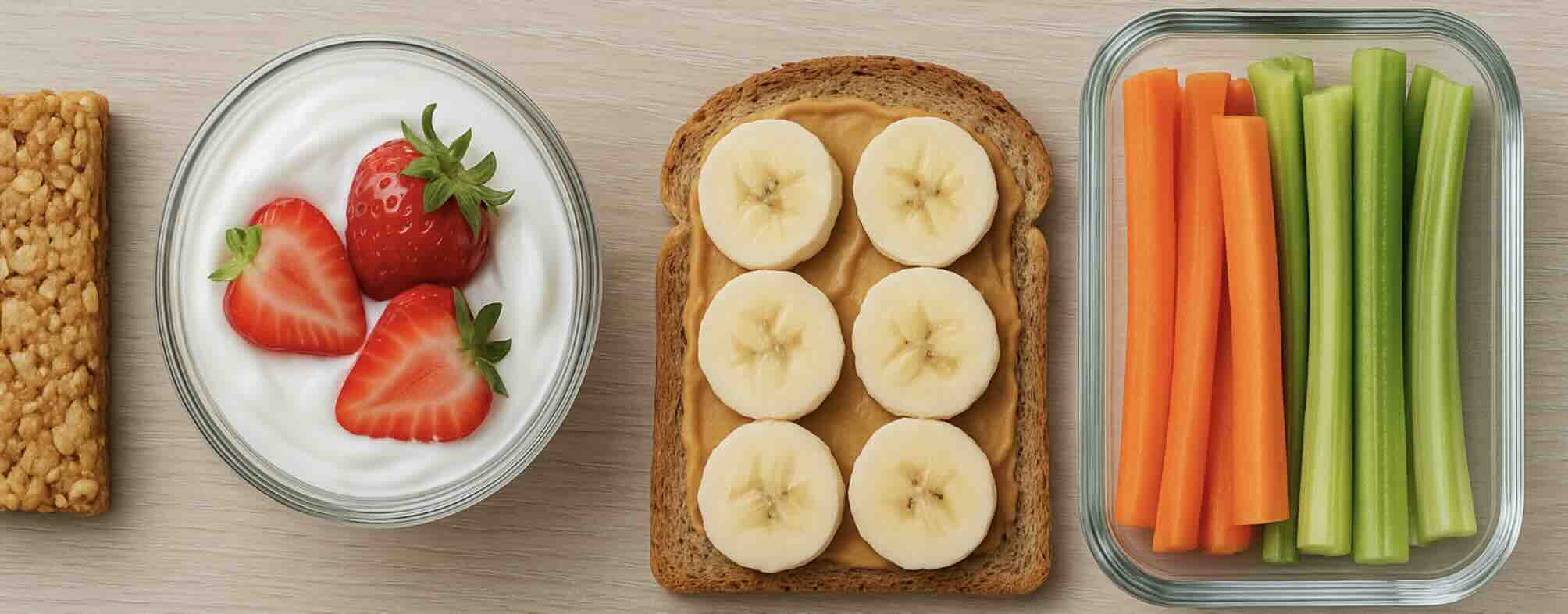
Quick answer: the best post-workout snacks for muscle recovery combine about 20–40 g of protein (roughly 0.25–0.4 g per kg of body weight) with some carbohydrate to refill energy stores. Greek yogurt with berries and granola, a protein shake with a banana, chocolate milk, eggs on whole-grain toast, and a tofu scramble are all easy, effective picks. You don't have to eat within 30 minutes; within about one to two hours works for most people.
Below you'll find a quick comparison table, 25 recovery snack ideas grouped by workout type and diet, and simple guidance on timing. Nutrition numbers are rounded approximations based on typical USDA values and will vary by brand and portion.
Quick Comparison: 10 Top Post-Workout Snacks
| Snack | Protein (approx.) | Carbs (approx.) | Best for |
|---|---|---|---|
| Greek yogurt + berries + granola | ~25 g | ~45 g | All-round recovery, any workout |
| Whey shake + banana + nut butter | ~28 g | ~30 g | Strength training, fast and portable |
| Chocolate milk (2 cups, low-fat) | ~16 g | ~50 g | Runs, rides, team sports |
| Turkey + egg on whole-grain toast | ~24 g | ~20 g | Strength days, savory cravings |
| Tart cherry protein smoothie | ~22 g | ~55 g | Long or hard endurance sessions |
| White rice + lean ground turkey bowl | ~25 g | ~45 g | Double training days, easy to digest |
| Overnight Bircher muesli with Greek yogurt | ~20 g | ~50 g | Make-ahead for early sessions |
| Salmon + avocado toast | ~20 g | ~18 g | Omega-3s, lower-carb days |
| Tofu scramble + toast | ~24 g | ~30 g | Plant-based strength recovery |
| Plant protein berry smoothie | ~25 g | ~35 g | Vegan, dairy-free |
Table of Contents
- Quick Comparison: 10 Top Post-Workout Snacks
- What Your Body Needs After a Workout
- Strength Training Recovery Snacks
- Endurance Exercise Recovery Snacks
- Quick-Digesting Protein + Carb Combos
- Recovery Snacks with Anti-Inflammatory Ingredients
- Plant-Based Post-Workout Snacks
- When to Eat After a Workout
- Make-Ahead Recovery Snacks
- Frequently Asked Questions
What Your Body Needs After a Workout
Exercise breaks down muscle protein and uses stored carbohydrate (glycogen). Recovery is about giving your body the raw materials to repair and adapt. Four things matter most:
- Protein for repair. Sports nutrition guidance, including the International Society of Sports Nutrition (ISSN) position stand, generally recommends about 20–40 g of high-quality protein per serving after training. Dairy, eggs, meat, fish, soy, and blended plant proteins all work. Protein spread across the whole day (roughly 1.4–2.0 g per kg of body weight for people who train regularly) matters more than any single snack. Our protein-rich snacks guide has more ideas.
- Carbohydrate to refuel. Carbs restore glycogen. After a short or easy session, your normal meals are usually enough. After long or intense endurance work, or if you train again within 24 hours, a carb-rich snack soon after helps you recover faster.
- Fluids and electrolytes. Replace sweat losses with water, and include some sodium (from food or a pinch of salt) after long or hot sessions.
- Overall diet quality. Fruits, vegetables, whole grains, and healthy fats supply the vitamins, minerals, and antioxidants your body uses during recovery. Sleep is the other big piece; our sleep-promoting snacks can help if you train in the evening.
Simple rule of thumb: after strength training, prioritize protein. After long cardio, prioritize carbs plus some protein. After a light 30-minute workout, a regular balanced meal is usually all you need.
Strength Training Recovery Snacks (5 Options)
After lifting, the priority is a solid dose of protein to support muscle repair, plus some carbohydrate to refuel. These options are built around roughly 20–30 g of protein.
- Whey Protein Shake with Banana and Almond Butter (approx. 28 g protein, 30 g carbs)
Whey is a fast-digesting, complete protein that is naturally rich in leucine, the amino acid most closely tied to switching on muscle protein synthesis. The banana adds easy carbs and potassium.
How to make it: Blend 1 scoop whey protein, 1 medium banana, 1 tablespoon almond butter, and 8–10 oz water or milk (milk adds about 8 g more protein).
- Greek Yogurt with Berries, Honey, and Granola (approx. 25 g protein, 45 g carbs)
Greek yogurt supplies both whey and casein, so it digests at a moderate pace. Berries and a little honey or granola cover your carbohydrate needs. See our Greek yogurt parfait recipe for a layered version.
How to make it: Combine 1 cup plain Greek yogurt, 1 cup mixed berries, 1 teaspoon honey, and 1/4 cup granola.
- Egg and Avocado Toast with Turkey (approx. 24 g protein, 20 g carbs)
Eggs and turkey are complete proteins, and whole-grain toast adds fiber-rich carbs. A good choice if you prefer something savory after training.
How to make it: Top 1 slice whole-grain toast with 1/4 mashed avocado, 2 sliced hard-boiled eggs, and 2 slices lean turkey breast.
- Chocolate Milk (approx. 16 g protein, 50 g carbs)
Low-fat chocolate milk is a classic recovery drink: it provides carbohydrate, high-quality dairy protein, fluid, and electrolytes in one inexpensive package. It does contain added sugar, so it fits best after longer or harder sessions.
How to make it: Drink about 2 cups (16 oz) of low-fat chocolate milk. Add a scoop of unflavored protein if you want closer to 30 g of protein.
- Salmon and Sweet Potato Bites (approx. 20 g protein, 20 g carbs)
Salmon provides complete protein plus the omega-3 fats EPA and DHA; sweet potato adds carbohydrate, potassium, and vitamin A.
How to make it: Mix 3 oz cooked flaked salmon with 1/2 cup mashed sweet potato, 1 tablespoon Greek yogurt, dill, and lemon. Shape into small patties and warm through in a pan or oven.
Endurance Exercise Recovery Snacks (5 Options)
Long runs, rides, and swims use a lot of stored carbohydrate (glycogen) and fluid. These snacks lean more heavily on carbs while still including protein.
- Tart Cherry Smoothie with Whey (approx. 22 g protein, 55 g carbs)
Tart cherries are rich in anthocyanin pigments, and some research suggests tart cherry juice may modestly ease muscle soreness after hard exercise. Even without that effect, this smoothie is an easy way to get carbs and protein in at once.
How to make it: Blend 8 oz tart cherry juice, 1 frozen banana, 1 scoop whey protein, and ice.
- Rice Cakes with Honey, Banana, and Nut Butter (approx. 6 g protein, 55 g carbs)
A light, carb-forward snack that is easy on the stomach after a long effort. Protein is low on its own, so pair it with a glass of milk or a yogurt.
How to make it: Top 2 rice cakes with 1 tablespoon nut butter, 1 small sliced banana, a drizzle of honey, and a pinch of salt.
- Sweet Potato Hash with Eggs and Spinach (approx. 14 g protein, 30 g carbs)
Sweet potato supplies carbohydrate and potassium, eggs add protein, and spinach adds folate and other micronutrients. Good as a post-run brunch.
How to make it: Sauté 1 cup diced roasted sweet potato with 1 cup spinach, then add 2 scrambled eggs. Add a third egg or egg whites for more protein.
- Coconut Water Berry Protein Smoothie (approx. 20 g protein, 45 g carbs)
Coconut water contains potassium and some sodium, which helps with rehydration. It is not superior to water plus food, but many people find it refreshing after sweaty sessions.
How to make it: Blend 2 cups coconut water, 1 cup mixed berries, 1 scoop protein powder, 1 teaspoon honey, and a pinch of salt.
- Overnight Bircher Muesli with Apple, Yogurt, and Seeds (approx. 20 g protein, 50 g carbs)
A make-ahead option that is ready the moment you get back from an early workout. Oats provide slow-digesting carbs and beta-glucan fiber.
How to make it: Combine 1/2 cup rolled oats, 3/4 cup plain Greek yogurt, 1/4 cup milk or apple juice, 1/2 grated apple, and 1 tablespoon pumpkin seeds. Refrigerate overnight.
Quick-Digesting Protein + Carb Combos (5 Options)
When you train twice a day, compete in a tournament, or simply have a sensitive stomach after exercise, low-fiber, low-fat options are easier to digest and get you refueled for the next session.
- Whey Isolate and Fruit Juice Shake (approx. 25 g protein, 35 g carbs)
Whey isolate and juice are both absorbed quickly and sit lightly. This is a practical choice between back-to-back sessions, not something most people need every day.
How to make it: Shake 1 scoop whey isolate with 8 oz orange or apple juice and 4 oz water.
- White Rice and Lean Ground Turkey Bowl (approx. 25 g protein, 45 g carbs)
White rice is low in fiber, so it digests easily and refuels glycogen quickly; lean turkey supplies the protein.
How to make it: Combine 1 cup cooked white rice with 3 oz cooked lean ground turkey and a splash of broth or soy sauce.
- Egg White Protein Shake with Rice Milk and Honey (approx. 20 g protein, 40 g carbs)
Useful for people avoiding dairy, soy, and nuts. Egg white protein is a complete, well-digested protein.
How to make it: Blend 12 oz rice milk, 1 scoop egg white protein powder, and 1 tablespoon honey.
- Cream of Rice with Protein and Fruit (approx. 22 g protein, 45 g carbs)
Hot cereal made from rice is very gentle on the stomach. Stirring in protein powder turns it into a balanced recovery snack.
How to make it: Prepare 1 serving cream of rice, then stir in 1 scoop whey or plant protein and top with 1/2 cup sliced fruit.
- Rice Cake Turkey Sandwiches (approx. 18 g protein, 30 g carbs)
Portable and salty, which helps replace sodium after training in the heat.
How to make it: Sandwich 3 oz thinly sliced turkey and 2 tablespoons light cream cheese between 4 rice cakes. Add a pinch of salt if you sweat heavily.
Recovery Snacks with Anti-Inflammatory Ingredients (5 Options)
Some soreness and inflammation after hard training is a normal part of adapting. These snacks include foods such as cherries, ginger, turmeric, berries, and oily fish that are often studied for recovery; their effects tend to be modest, so think of them as a bonus on top of enough protein, carbs, and sleep. For more ideas, see our anti-inflammatory snacks guide.
- Tart Cherry, Pineapple, and Ginger Protein Smoothie (approx. 22 g protein, 40 g carbs)
Combines tart cherries and ginger, two foods that have been studied for exercise-related soreness, with a full serving of protein.
How to make it: Blend 8 oz tart cherry juice, 1 scoop whey or plant protein, 1/2 cup frozen pineapple, 1 teaspoon grated fresh ginger, and ice.
- Golden Milk Protein Drink (approx. 22 g protein, 10 g carbs)
A warm, lower-carb option for an evening workout or rest-day snack. Black pepper helps the body absorb curcumin from turmeric. Try our turmeric golden milk overnight oats if you want more carbs.
How to make it: Warm 12 oz soy milk or dairy milk with 1 teaspoon turmeric, a pinch of black pepper, 1/2 teaspoon cinnamon, and a little honey; whisk in a scoop of vanilla protein off the heat.
- Salmon Avocado Toast (approx. 20 g protein, 18 g carbs)
Oily fish is one of the best food sources of omega-3 fats, and salmon also delivers complete protein.
How to make it: Top 1 slice whole-grain toast with 1/4 mashed avocado, 3 oz smoked or cooked salmon, lemon juice, and capers.
- Blueberry Yogurt Bowl with Matcha (approx. 25 g protein, 30 g carbs)
Blueberries and green tea are both rich in polyphenols. The Greek yogurt base keeps protein high.
How to make it: Stir 1 teaspoon matcha into 1 cup plain Greek yogurt, then top with 1 cup blueberries and 1 tablespoon chopped nuts.
- Beet and Ginger Protein Smoothie (approx. 22 g protein, 30 g carbs)
Beets are a natural source of dietary nitrates and add earthy sweetness; frozen cherries round out the flavor.
How to make it: Blend 1 small cooked beet, 1 cup milk or soy milk, 1 scoop protein powder, a 1-inch piece of fresh ginger, 1/2 cup frozen cherries, and ice.
Plant-Based Post-Workout Snacks (5 Options)
Plant-based athletes can recover just as well by choosing protein-dense foods (soy, pea protein, tempeh, seitan, legumes) and aiming for the higher end of the protein range, since many plant proteins contain a little less leucine. Browse more ideas in our vegan snacks category.
- Plant Protein Triple Berry Smoothie (approx. 25 g protein, 35 g carbs)
Blended pea, rice, or soy protein powders provide a complete amino acid profile in a fast, dairy-free format.
How to make it: Blend 1 scoop plant protein, 1 cup frozen mixed berries, 1 tablespoon ground flaxseed, 1/2 banana, and 1 cup soy milk.
- Quinoa Bowl with Tempeh and Roasted Vegetables (approx. 24 g protein, 50 g carbs)
Tempeh and quinoa are both complete plant proteins, and the bowl supplies plenty of carbohydrate for refueling.
How to make it: Combine 1 cup cooked quinoa, 3 oz seared tempeh, and 1 cup roasted vegetables. Dress with tahini and lemon.
- Sprouted Grain Toast with Edamame Hummus and Hemp Seeds (approx. 18 g protein, 30 g carbs)
Edamame is one of the most protein-dense whole plant foods, and hemp seeds add more protein plus healthy fats.
How to make it: Blend shelled edamame with tahini, lemon, and garlic. Spread on 2 slices sprouted grain toast and top with 2 tablespoons hemp seeds.
- Chocolate Chia Protein Pudding (approx. 25 g protein, 30 g carbs)
A make-ahead, dessert-like option. Chia seeds add fiber and plant omega-3 (ALA). See our chia pudding recipe for the base method.
How to make it: Mix 1 scoop chocolate plant protein, 1 cup soy milk, 3 tablespoons chia seeds, and 1 teaspoon maple syrup. Refrigerate at least 2 hours.
- Tofu Vegetable Scramble with Nutritional Yeast (approx. 24 g protein, 30 g carbs)
Firm tofu is a complete protein, and fortified nutritional yeast often supplies vitamin B12, which plant-based eaters need to get from fortified foods or supplements. Carbs listed include a slice of toast.
How to make it: Scramble 6 oz firm tofu with 1 cup mixed vegetables and 2 tablespoons nutritional yeast; season with turmeric and black pepper. Serve with 1 slice whole-grain toast.
When to Eat After a Workout
The old idea of a strict 30-minute "anabolic window" has been relaxed. For most people, eating a protein-containing meal or snack within about one to two hours of finishing is plenty, especially if you ate within a few hours before training. Timing matters more when you train fasted, train very long or hard, or have another session the same day.
| Situation | What to eat | Timing |
|---|---|---|
| Strength session, meal within 1–2 hours | Just eat your next balanced meal with 20–40 g protein | Normal meal time |
| Strength session, next meal 3+ hours away | Protein-forward snack (yogurt, shake, eggs) | Within about 1–2 hours |
| Trained fasted (e.g. early morning) | Protein + carb snack or breakfast | Soon after finishing |
| Long endurance session (90+ min) | Carb-rich snack with some protein, plus fluids and salt | Soon after, then a full meal |
| Two sessions in one day | Quick-digesting carbs + protein | As soon as practical after session one |
| Evening workout | Normal dinner, or a casein-rich snack such as Greek yogurt or cottage cheese before bed | Dinner, or 30–60 min before bed |
If you train in the evening, a slower-digesting protein before bed, such as Greek yogurt or cottage cheese, is a reasonable way to keep protein intake steady overnight.
Make-Ahead Recovery Snacks
Having something ready in the fridge or gym bag makes it far easier to refuel well. A few ideas from our recipe collection:
- No-bake energy balls: pair two with a glass of milk or a yogurt to add protein.
- Roasted chickpeas: a crunchy, plant-based option with protein and fiber.
- Greek yogurt parfaits in jars, ready to grab after a morning session.
- Hard-boiled eggs and pre-cooked rice or quinoa portions for fast savory bowls.
Looking for more? Browse our high-protein snack category.
Safety note: Protein and calorie needs vary. If you have kidney disease, diabetes, food allergies, or are pregnant, check with your doctor or a registered dietitian before changing your diet or using supplements, and choose third-party tested protein powders. See our health disclaimer.
Frequently Asked Questions
What is the best post-workout snack for muscle recovery?
The best post-workout snack for muscle recovery combines about 20 to 40 g of high-quality protein with some carbohydrate. Greek yogurt with fruit and granola, a whey or plant protein shake with a banana, chocolate milk, or eggs on whole-grain toast are all simple, effective choices. The right pick depends on your workout, appetite, and dietary preferences.
Do I need to eat protein immediately after my workout?
Usually not. The so-called anabolic window is wider than once thought, and total daily protein matters most. Eating a protein-containing meal or snack within roughly one to two hours after training is a sensible target. Getting something in sooner is more helpful if you trained fasted, trained very hard, or have another session later the same day.
How much protein should a post-workout snack have?
For most adults, about 20 to 40 g of protein, or roughly 0.25 to 0.4 g per kilogram of body weight, is a practical target after training. Larger or older adults may benefit from the upper end. Spreading protein evenly across meals during the day also supports muscle repair.
Do post-workout calories cancel out my workout if I am trying to lose weight?
Not if the snack fits within your overall daily calorie needs. If your next meal is soon, you can simply make that meal your recovery meal. If you snack, choose protein-forward options such as Greek yogurt, cottage cheese, or a protein shake, which help preserve muscle and keep you full.
Are protein shakes better than whole foods for recovery?
Not necessarily. Shakes are convenient and fast to digest, but whole foods such as dairy, eggs, fish, poultry, tofu, and legumes support recovery just as well when you eat enough protein. Choose whichever you will actually eat consistently, and look for third-party tested supplements if you use powders.
Should recovery nutrition change as I get older?
Older adults tend to need a bit more protein per meal to get the same muscle-building response, so aiming for the upper end of the 20 to 40 g range after training is reasonable. Leucine-rich foods such as dairy, eggs, and meat, plus regular strength training, help most. Talk to your doctor if you have kidney disease or other conditions that affect protein needs.
The Bottom Line
Good recovery nutrition is simple: get enough protein after training (about 20–40 g), add carbohydrate in proportion to how long and hard you worked, drink fluids, and eat a balanced diet the rest of the day. Pick two or three snacks from this list that suit your schedule and taste, and keep the ingredients on hand so refueling becomes a habit.
About This Guide
Written and maintained by the HealthSnackIdeas Editorial Team. We build our snack guides from publicly available nutrition research and dietary guidelines (USDA FoodData Central, Dietary Guidelines for Americans, WHO). This content is for general information only and is not a substitute for advice from your doctor or a registered dietitian. Read our health disclaimer.
Related Articles
30 Protein-Rich Snacks to Keep You Full Between Meals
High-protein snacks that keep hunger in check between meals.
25 Anti-Inflammatory Snacks
Everyday snacks built around berries, oily fish, nuts, and spices.
25 Best Energy-Boosting Snacks for Quick, Lasting Energy
Snacks for steady energy before a workout or through a busy day.