
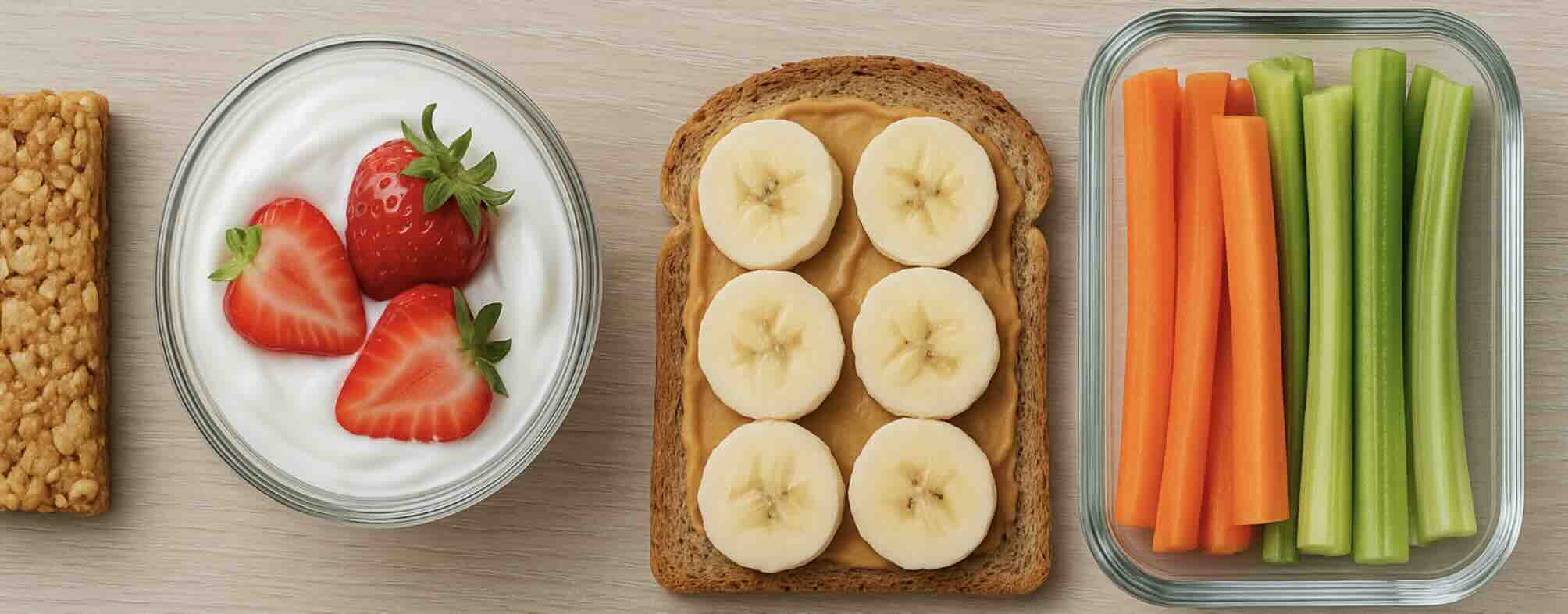
The best brain-boosting snacks combine nutrients your brain relies on (omega-3 fats, choline, flavonoids, B vitamins, and minerals) with enough protein and fiber to keep blood sugar steady. Easy examples: a handful of walnuts, blueberries with Greek yogurt, hard-boiled eggs, sardines on whole-grain crackers, pumpkin seeds, or a square of dark chocolate with raspberries.
A quick reality check: no single snack will sharpen your memory overnight. What the research supports is that a steady, balanced snack helps you concentrate in the moment, and that an overall eating pattern rich in fish, nuts, berries, leafy greens, and whole grains is linked to better brain health over the years. This guide gives you 25 practical snacks that fit both goals.
Quick Answer: 10 Best Brain-Boosting Snacks
| Snack | Key brain nutrients | Approx. calories / protein |
|---|---|---|
| Walnuts, 1 oz (about 14 halves) | Plant omega-3 (ALA), polyphenols | 185 kcal / 4 g |
| Blueberries (1 cup) + plain Greek yogurt (3/4 cup) | Anthocyanins, protein | 200 kcal / 17 g |
| 2 hard-boiled eggs | Choline, B12, protein | 155 kcal / 13 g |
| Sardines (1 small can, drained) + whole-grain crackers | Omega-3 DHA and EPA, B12 | 250 kcal / 24 g |
| Dark chocolate (1 oz, 70%+) + 1/2 cup raspberries | Cocoa flavanols, a little caffeine, fiber | 200 kcal / 3 g |
| Pumpkin seeds, 1 oz | Magnesium, zinc, iron | 160 kcal / 8 g |
| Green tea + 1 oz pistachios | Caffeine + L-theanine, vitamin B6 | 160 kcal / 6 g |
| Chia pudding (2 tbsp chia + 1/2 cup milk) | Plant omega-3 (ALA), fiber | 180 kcal / 8 g |
| Edamame, 1/2 cup shelled | Folate, plant protein | 95 kcal / 9 g |
| 1/4 avocado on 1 slice whole-grain toast | Monounsaturated fat, lutein, fiber | 160 kcal / 5 g |
Values are rounded estimates based on USDA FoodData Central; brands and portions vary.
Table of Contents
- What Crunchy Snack Is Linked to Better Memory?
- How Food Affects Your Brain
- Omega-3 Rich Snacks (5 Options)
- Berry, Cocoa, and Tea Snacks (5 Options)
- Protein-Based Brain Snacks (5 Options)
- Whole-Grain and Fiber-Rich Brain Fuel (5 Options)
- Smart Snack Pairings (5 Options)
- Best Snacks Before Studying, Work, and Exams
- Brain-Friendly Snacks for Kids
- Snacks to Limit for Better Focus
- Two Easy Brain-Friendly Recipes
- Frequently Asked Questions
What Crunchy Snack Is Linked to Better Memory?
Walnuts. They're the crunchy snack most often linked to memory and brain health, and for understandable reasons:
- They're the richest nut source of ALA, the plant form of omega-3 fat (about 2.5 g per 1-ounce serving).
- They're high in polyphenols and also provide vitamin E, magnesium, and fiber.
- Nuts, including walnuts, are a core part of the Mediterranean and MIND eating patterns, which are associated with better cognitive health in observational research.
How strong is the evidence? Modest. Population studies have found that people who eat walnuts or nuts regularly tend to score a little better on memory and thinking tests, but these studies can't prove cause and effect. Controlled trials in healthy adults have shown small or inconsistent benefits. The fair takeaway: walnuts are a nutritious, satisfying snack that fits a brain-healthy diet, not a memory cure.
Other crunchy options: almonds (vitamin E), pumpkin seeds (magnesium, zinc, and iron), pistachios, roasted chickpeas, and olive-oil popcorn.
Serving tip: about 1 ounce (a small handful, roughly 14 halves) is around 185 calories. Pair with fruit for a balanced snack.
How Food Affects Your Brain
Your brain makes up about 2% of body weight but uses roughly 20% of your resting energy, mostly from glucose. That's why both what you eat and how steadily it's delivered matter.
- Steady glucose: long gaps without food, or a sugary snack followed by a dip, can leave you foggy and distracted. Snacks that combine carbs with protein and fiber help keep concentration steady. See our energy-boosting snacks for more on this.
- Omega-3 fats: DHA is a major structural fat in the brain. Fatty fish (salmon, sardines, trout) are the best sources; walnuts, chia, and flax provide ALA, which the body converts to DHA only in small amounts.
- Choline: used to make acetylcholine, a messenger involved in memory and muscle control. Eggs are one of the richest sources, and most Americans don't reach the recommended intake.
- B vitamins (B6, B12, folate): needed for nerve function and making neurotransmitters. Low B12 is common in older adults and people who don't eat animal foods, and it can affect memory.
- Flavonoids: plant compounds in berries, cocoa, tea, and citrus. Higher intakes are associated with slower cognitive decline in observational studies.
- Iron, zinc, and magnesium: iron carries oxygen to the brain, and low iron can cause fatigue and poor concentration.
- The gut-brain connection: researchers are actively studying how gut bacteria affect mood and thinking. The evidence is early, but fiber-rich and fermented foods are good for gut health anyway; see our guide to gut-friendly probiotic snacks.
The big picture: dietary patterns such as the Mediterranean and MIND diets (rich in vegetables, berries, nuts, olive oil, fish, beans, and whole grains) are consistently linked with better brain health in long-term observational studies. Trial results have been more mixed, and sleep, physical activity, and social connection matter at least as much as food.
Omega-3 Rich Snacks (5 Options)
- Walnuts with an Apple or Pear
The easiest omega-3 snack there is. The fruit adds fiber and natural sweetness; the walnuts add healthy fat that keeps you full.
- Walnut and Dark Chocolate Energy Bites
Blend 1 cup walnuts, 10 pitted dates, 3 tablespoons cocoa powder, and a pinch of salt in a food processor, then roll into balls. Add a tablespoon of ground flaxseed for extra ALA. Or follow our no-bake energy balls recipe and swap in walnuts.
- Sardines on Whole-Grain Crackers
Sardines are one of the richest and most affordable sources of DHA and EPA, plus vitamin B12, vitamin D, and calcium from the soft bones. Mash with lemon juice and pepper for a milder flavor.
- Chia Pudding with Berries
Chia seeds provide ALA omega-3 and plenty of fiber. Stir 2–3 tablespoons into 1/2 to 1 cup of milk, refrigerate overnight, and top with berries and chopped walnuts. Full instructions: chia pudding recipe.
- Flaxseed and Blueberry Yogurt Bowl
Combine 3/4 cup plain Greek yogurt with 1–2 tablespoons ground flaxseed (whole seeds often pass through undigested), 1/2 cup blueberries, and a drizzle of honey. Protein, fiber, omega-3, and flavonoids in one bowl.
Berry, Cocoa, and Tea Snacks (5 Options)
- Dark Chocolate (70%+) with Raspberries
Cocoa contains flavanols plus a little caffeine and theobromine for a mild lift. Some short-term studies suggest cocoa flavanols increase blood flow to the brain, though they often use more flavanols than a chocolate bar provides. Keep it to about an ounce.
- Turmeric-Spiced Roasted Chickpeas
Toss chickpeas with olive oil, turmeric, black pepper, and salt and roast until crispy. Turmeric's curcumin is being studied for brain health, but the evidence in people is still limited; the real win here is a crunchy, fiber-rich, high-protein snack. See our roasted chickpeas recipe.
- Berry and Spinach Smoothie
Blend 1 cup mixed berries, a handful of spinach (for folate and lutein), 1/2 cup plain Greek yogurt, and a tablespoon of almond butter. Berries are a staple of the MIND diet.
- Green Tea with a Handful of Pistachios
Green tea combines a modest amount of caffeine with L-theanine. Small studies suggest the pair can improve attention, and many people find it gives calmer focus than coffee. Pistachios add protein, fiber, and vitamin B6.
- Beet and Apple Slices with Almond Butter
Beets contain natural nitrates that the body converts to nitric oxide, which helps blood vessels relax. Almond butter adds vitamin E and protein. Use cooked or very thinly sliced raw beets.
Protein-Based Brain Snacks (5 Options)
Protein supplies amino acids your body uses to make neurotransmitters, and it slows digestion so your focus doesn't fade an hour later. For more options, see our guide to protein-rich snacks.
- Egg and Avocado Cups
Halve hard-boiled eggs, mash the yolks with avocado, lime, and pepper, and refill. Eggs are one of the best food sources of choline. Try our avocado deviled eggs.
- Greek Yogurt with Pumpkin Seeds and Honey
Plain Greek yogurt brings about 15–17 g of protein per 3/4 cup, and pumpkin seeds add magnesium, zinc, and iron. Yogurt with live cultures is a bonus for gut health.
- Cottage Cheese with Walnuts and Cinnamon
Cottage cheese is high in slow-digesting casein protein. Top 1/2 cup with a tablespoon of chopped walnuts and a sprinkle of cinnamon.
- Turkey and Hummus Roll-Ups
Spread hummus on turkey slices, add cucumber or bell pepper strips, and roll up. Animal and plant protein, plus crunch, in under five minutes.
- Edamame and Baked Tofu Snack Box
Soy foods provide complete plant protein and folate. Pair 1/2 cup edamame with a few cubes of baked tofu seasoned with ginger and soy sauce.
Whole-Grain and Fiber-Rich Brain Fuel (5 Options)
Glucose is your brain's main fuel. Fiber-rich carbs deliver it gradually, which helps you avoid the slump that follows sugary snacks.
- Homemade Oat Bars with Blueberries and Cinnamon
Mix 2 cups rolled oats, 1/2 cup ground flaxseed, 1/2 cup dried blueberries, 2 teaspoons cinnamon, 1/3 cup honey, and 1/3 cup almond butter. Press into a pan, chill, and slice.
- Sweet Potato Hummus with Vegetable Dippers
Blend a roasted sweet potato with chickpeas, tahini, olive oil, garlic, lemon, and cumin. Sweet potato adds beta-carotene and fiber.
- Turmeric Golden Milk Overnight Oats
Oats, milk, and warming spices make a make-ahead snack with steady carbs and some protein. Get the full turmeric golden milk overnight oats recipe.
- Apple Slices with Almond Butter and Cacao Nibs
Apples bring fiber and quercetin, almond butter adds vitamin E and protein, and cacao nibs add crunch without much sugar.
- Whole-Grain Toast with Avocado and Hemp Seeds
A slice of whole-grain or sprouted bread with 1/4 avocado and a tablespoon of hemp seeds gives you slow carbs, healthy fats, protein, and magnesium.
Smart Snack Pairings (5 Options)
Some foods work better together, mostly because one helps your body absorb something in the other.
- Golden Milk with Two Brazil Nuts
Curcumin from turmeric is poorly absorbed on its own; fat and black pepper help. Brazil nuts are extremely rich in selenium, so stick to one or two a day.
- Olive Tapenade with Bell Pepper Strips
Olives and olive oil provide polyphenols and healthy fats, staples of the Mediterranean diet. Bell peppers are an excellent source of vitamin C.
- Spinach and Kiwi Smoothie with Almond Butter
Lutein and other carotenoids in spinach are fat-soluble, so adding almond butter helps your body absorb them. Kiwi adds vitamin C.
- Lemon White Bean Dip with Whole-Grain Crackers
Beans provide plant iron, which is absorbed better alongside vitamin C, here from lemon juice. Rosemary and garlic add flavor.
- Dark Chocolate Bark with Walnuts and Orange Zest
Melt 3 ounces of 70–85% dark chocolate, stir in 1/4 cup chopped walnuts and orange zest, spread thin, chill, and break into pieces. A small, satisfying treat.
Best Snacks Before Studying, Work, and Exams
- Mid-morning (if breakfast was early or light): Greek yogurt with pumpkin seeds, an egg and fruit, or an oat bar.
- 30–60 minutes before a test, meeting, or study session: something familiar and balanced, like an apple with peanut butter, whole-grain crackers with cheese, or walnuts with berries. Skip big, heavy, or very sugary snacks, and don't try new caffeine products on an important day.
- Mid-afternoon fog: green tea with pistachios, hummus with vegetables, or turkey roll-ups. Our 3 PM slump snacks guide has more ideas.
- Evening study: choose lighter, caffeine-free options such as yogurt with berries or cottage cheese with walnuts, and protect your sleep, which is when your brain consolidates memories. See our sleep-promoting snacks.
And drink water. Even mild dehydration can affect concentration and mood.
Brain-Friendly Snacks for Kids
Children benefit from the same foods in smaller portions: eggs, yogurt with berries, smooth nut butter on whole-grain toast, edamame, cheese with fruit, and salmon or tuna in a wrap. Keep sugary drinks and candy as occasional treats. For more family ideas, see low-sugar snacks for kids.
Safety first: whole nuts, whole grapes, and popcorn are choking hazards for children under about age 4. Use smooth nut butters or finely ground nuts, quarter grapes lengthwise, and always check for food allergies.
Snacks to Limit for Better Focus
- Sugary snacks and drinks on their own: a quick high is often followed by a dip in energy and attention. Pair sweets with protein or fiber, or choose fruit. Our low-sugar snacks list has easy swaps.
- Highly processed snacks: diets heavy in ultra-processed foods are associated with poorer health outcomes, and these snacks tend to crowd out the foods your brain benefits from.
- Too much caffeine: a little improves alertness; too much causes jitters and poor sleep.
- Alcohol: it impairs memory formation and disrupts sleep.
Two Easy Brain-Friendly Recipes
Blueberry-Walnut Overnight Oats
Ingredients (1 serving):
- 1/2 cup rolled oats
- 1 tablespoon ground flaxseed
- 3/4 cup milk of choice
- 1/4 cup plain Greek yogurt
- 1/2 cup blueberries
- 1 tablespoon chopped walnuts
- 1/2 teaspoon cinnamon and 1 teaspoon honey (optional)
- Combine oats, flaxseed, milk, yogurt, cinnamon, and honey in a jar and stir well.
- Fold in the blueberries, cover, and refrigerate overnight (or at least 6 hours).
- Top with walnuts before eating.
Approx. per serving (with 2% dairy milk): 430 calories, 20 g protein, 57 g carbohydrates (8 g fiber), 15 g fat.
Mediterranean Tuna Wrap
Ingredients (1 serving):
- 1 whole-grain wrap
- 3 ounces light tuna packed in water, drained
- 1/4 avocado, mashed
- 1/4 cup chopped red bell pepper
- 1 tablespoon chopped olives
- 1 teaspoon lemon juice and a pinch of dried oregano
- A handful of baby spinach
- Mix the tuna, avocado, bell pepper, olives, lemon juice, and oregano.
- Lay spinach on the wrap, spread the tuna mixture on top, and roll up tightly.
- Cut in half. Choose light tuna more often than albacore, which is higher in mercury.
Approx. per serving: 300 calories, 28 g protein, 27 g carbohydrates (7 g fiber), 10 g fat.
A Quick Safety Note
Tree nuts, peanuts, fish, eggs, soy, and dairy are common allergens. If you have diabetes, account for the carbs in fruit, oats, and dried fruit. If you're pregnant, choose low-mercury fish such as salmon, sardines, and light tuna, and limit caffeine. Memory problems that are new or getting worse deserve a visit to your doctor rather than a diet change alone. See our health disclaimer.
Frequently Asked Questions
What are the best brain-boosting snacks?
Good brain-friendly snacks include walnuts, berries with plain Greek yogurt, hard-boiled eggs, sardines or salmon on whole-grain crackers, pumpkin seeds, a square of dark chocolate with fruit, edamame, and chia pudding. They supply omega-3 fats, choline, flavonoids, and minerals, and pairing them with protein or fiber keeps blood sugar steady so you can concentrate.
What crunchy snack is linked to better memory?
Walnuts are the crunchy snack most often linked to better memory. They are the richest nut source of the plant omega-3 fat ALA and are high in polyphenols. Observational studies have associated regular walnut eating with better scores on memory and thinking tests, but trials in healthy adults show small or inconsistent effects, so think of walnuts as part of a brain-healthy diet rather than a memory cure. About 1 ounce (14 halves) is a typical serving.
How quickly can food affect focus and concentration?
Some effects are fast: a balanced snack can ease hunger and steady blood sugar within about 30 minutes, and caffeine from tea, coffee, or chocolate raises alertness within an hour. Benefits linked to omega-3 fats, berries, and overall diet quality build slowly over months and years and are about long-term brain health rather than an instant boost.
Is dark chocolate good for your brain?
Dark chocolate contains cocoa flavanols and a little caffeine and theobromine, which can give a mild lift in alertness. Some short-term studies suggest cocoa flavanols increase blood flow to the brain, but the amounts used are often higher than in a typical chocolate bar. Enjoy a square or two of 70 percent or darker chocolate as a treat, not a brain supplement.
What is a good snack before studying or a test?
Eat something familiar 30 to 60 minutes beforehand that combines carbohydrate with protein or fat, such as Greek yogurt with berries, an apple with peanut butter, whole-grain crackers with cheese, or a small handful of walnuts with fruit. Drink water, and avoid a big sugary snack or more caffeine than you are used to.
Are brain supplements better than brain foods?
For most healthy people, no. Supplements marketed for memory have little reliable evidence behind them. Supplements can help if you have a real deficiency, such as low vitamin B12 or iron, which a doctor can test for. Otherwise, a varied diet with fish, nuts, seeds, fruit, vegetables, and whole grains is the better-supported approach.
Can kids eat the same brain-boosting snacks?
Yes, with kid-sized portions and safe textures. Eggs, yogurt with berries, nut butter on toast, edamame, and salmon or tuna are all great for children. Whole nuts, whole grapes, and popcorn are choking hazards for children under about age 4, so use smooth nut butters or finely chopped nuts instead, and watch for food allergies.
The Bottom Line
The most useful brain-boosting snack is a balanced one you'll actually eat: something with protein and fiber, and ideally a brain-friendly food like walnuts, berries, eggs, or fish. Over time, those small choices add up to the kind of eating pattern linked with better brain health, especially alongside good sleep and regular exercise.
About This Guide
Written and maintained by the HealthSnackIdeas Editorial Team. We build our snack guides from publicly available nutrition research and dietary guidelines (USDA FoodData Central, Dietary Guidelines for Americans, WHO). This content is for general information only and is not a substitute for advice from your doctor or a registered dietitian. Read our health disclaimer.