
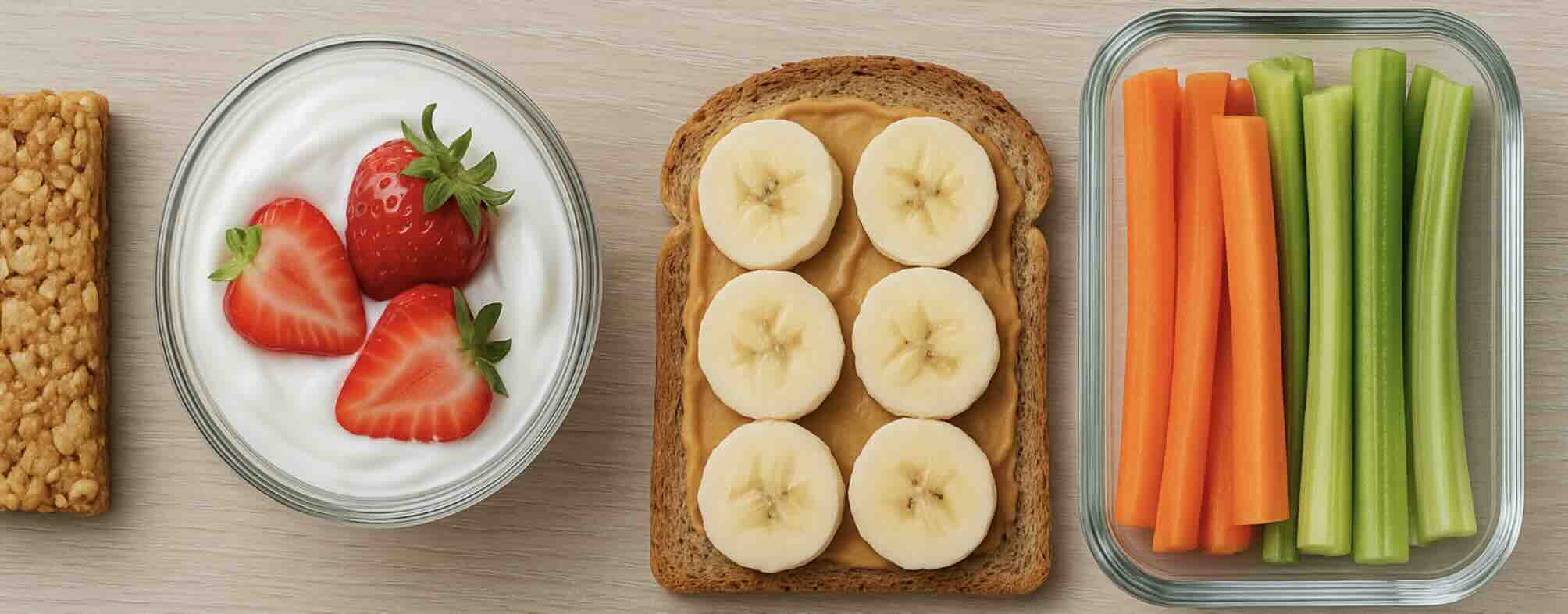
The best snacks to curb sugar cravings pair a little natural sweetness with protein, fiber, or healthy fat—like berries with Greek yogurt, apple slices with almond butter, a square of 85% dark chocolate with a few almonds, or chia pudding. These satisfy the "I need something sweet" feeling while keeping blood sugar steadier, so the craving is less likely to come roaring back an hour later. Below are 20 sweet-but-low-sugar snacks, savory craving-busters, and a moment-by-moment playbook for afternoon, after-dinner, and late-night cravings.
Whether you're cutting back on sugar, trying to lose weight, or managing diabetes, the strategy is the same: understand why the craving is showing up, then have a better option ready before it hits.
Table of Contents
- Why Sugar Cravings Happen
- The Craving-Busting Snack Formula
- 20 Sweet-but-Low-Sugar Snacks
- Savory Craving-Busters
- The Craving-Moment Playbook
- If You're Trying to Lose Weight
- If You Have Diabetes or Prediabetes
- What About Stevia, Monk Fruit, and Sugar Alcohols?
- Habits That Make Cravings Quieter
- Frequently Asked Questions
Why Sugar Cravings Happen
A sugar craving isn't a lack of willpower. It's usually a predictable response to one or more of these triggers:
- Blood sugar swings. A meal or snack heavy in refined carbs (white bread, pastries, sweetened drinks) can raise blood glucose quickly. As it comes back down, many people feel hungry, tired, or shaky—and the body nudges you toward another fast source of energy.
- Going too long without eating. Skipping lunch or eating a very light one makes you genuinely hungry by mid-afternoon, and quick sugar is the easiest thing to grab.
- Habit and cues. If you always have something sweet after dinner, at 3 PM at your desk, or in front of the TV, your brain learns to expect it. The time, place, or activity becomes the trigger, whether or not you're hungry.
- Short or poor sleep. Research consistently links sleep loss with increased appetite and a stronger pull toward high-calorie, sweet foods, partly through changes in appetite-regulating hormones.
- Stress and emotions. Many people reach for sweet foods when stressed, bored, sad, or tired. Sugar offers a brief sense of comfort and reward.
- Strict restriction. Labeling a food as completely off-limits can make you think about it more. Very low-calorie diets also increase hunger.
- Menstrual cycle changes. Many people notice stronger cravings in the days before their period.
Knowing which trigger you're dealing with tells you which fix to use. Real hunger needs real food. A habit cue needs a new routine. Fatigue may need sleep or a break more than a snack.
The Craving-Busting Snack Formula
The snacks that work best follow a simple pattern:
A touch of sweetness (fruit, cinnamon, vanilla, cocoa, or a little dark chocolate) + protein, fiber, or healthy fat (yogurt, cottage cheese, nuts, seeds, nut butter, chia).
The sweetness answers the craving. The protein, fiber, and fat slow digestion, help you feel full, and blunt the rise and fall in blood sugar that can set up the next craving. It's the same principle behind our blood-sugar-balancing snacks.
A practical target for a craving snack: roughly 150–250 calories, at least 5 grams of protein or 3 grams of fiber, and as little added sugar as possible (5 grams or less is a good everyday ceiling).
20 Sweet-but-Low-Sugar Snacks
Sugar amounts are approximate and refer to the snack as described. Most of the sugar comes from whole fruit or dairy rather than added sugar. For more ideas, browse our low-sugar snack category.
Creamy and cold
- Greek yogurt with berries and cinnamon — ¾ cup plain Greek yogurt with ½ cup raspberries. Approx. 17 g protein and about 8–10 g natural sugar. Our Greek yogurt parfait dresses it up.
- Frozen yogurt bark — Plain Greek yogurt spread thin, topped with berries and a few dark-chocolate shavings, frozen and broken into pieces.
- Chia pudding — Chia seeds soaked in unsweetened milk with vanilla and cinnamon, topped with fruit. High in fiber; see our chia pudding recipe.
- Cottage cheese with peaches — ½ cup cottage cheese with sliced peach and cinnamon. About 12–14 g protein.
- Berry protein smoothie — Unsweetened milk, frozen berries, a handful of spinach, and plain Greek yogurt or protein powder. Keep fruit to about 1 cup.
- Banana "nice cream" — Half a frozen banana blended with a spoon of peanut butter and a splash of milk.
Chocolate fixes
- Dark chocolate + almonds — One or two squares of 85% dark chocolate (approx. 1.5–2.5 g sugar per 10 g square) with 10 almonds.
- Cocoa-dusted almonds — Toss almonds with unsweetened cocoa powder and a pinch of salt.
- Homemade hot cocoa — Warm milk whisked with 1 tablespoon unsweetened cocoa and cinnamon; sweeten lightly with stevia or monk fruit if needed.
- Chocolate chia pudding — Add cocoa powder to your chia mix for a dessert-like texture.
- Dark-chocolate-dipped strawberries — A thin coating on a handful of berries.
Fruity and warm
- Apple slices with almond butter and cinnamon — The classic for a reason: crunch, sweetness, fat, and fiber.
- Baked cinnamon pear — Halve a pear, sprinkle with cinnamon, bake at 375°F for 20–25 minutes, and top with a spoon of Greek yogurt.
- Frozen grapes — A small handful (about 15 grapes) eaten slowly; frozen fruit takes longer to eat.
- Roasted sweet potato rounds — Topped with nut butter and cinnamon for a dessert-like but fiber-rich snack.
- Peanut-butter-stuffed date — One Medjool date has roughly 16 g natural sugar, so stick to one and pair it with nut butter. Not ideal if you're closely managing blood sugar.
Bites and sips
- No-bake energy balls — Oats, nut butter, seeds, and a few dates. One or two are a satisfying sweet bite; see our no-bake energy balls.
- Golden milk overnight oats (half portion) — Lightly sweet, warmly spiced, and fiber-rich. Try our turmeric golden milk overnight oats.
- Toasted coconut chips — Unsweetened coconut flakes toasted with cinnamon; naturally sweet-tasting with very little sugar.
- Naturally sweet herbal tea — Cinnamon, vanilla rooibos, or peppermint tea can signal "dessert" with no sugar at all. Great as an after-dinner ritual.
Savory Craving-Busters
Sometimes a "sugar craving" is really hunger or a desire for something satisfying. Savory, salty, crunchy snacks with protein or fat can switch off the craving entirely:
- Roasted chickpeas — Crunchy and high in fiber. Our roasted chickpeas recipe has sweet-spice and savory versions.
- Avocado deviled eggs — Rich and filling; see our avocado deviled eggs.
- Mediterranean cucumber bites — Fresh, salty, and light. Try our cucumber bites recipe.
- Salted pistachios in the shell — Shelling slows you down.
- Olives and a cheese stick — Salty and satisfying with almost no sugar.
- Edamame with sea salt — About 9 g protein per ½ cup shelled.
- Turkey and cheese roll-ups — Pure protein, no prep.
- Air-popped popcorn with parmesan — Three cups is a generous, whole-grain portion.
For more filling options, see our list of protein-rich snacks.
The Craving-Moment Playbook
Cravings tend to cluster at the same times of day. Here's what usually drives each one and what to do about it.
The afternoon craving (2–4 PM)
Usually driven by: a light or carb-heavy lunch, a long gap since eating, a natural dip in alertness, or a workplace habit (the office candy bowl).
- Prevent it: Include protein and vegetables at lunch, and plan a real snack around 3 PM.
- Best snacks: apple with almond butter, Greek yogurt with berries, roasted chickpeas, hummus and veggies.
- Also try: water, a 5–10 minute walk, or stepping away from the screen. More ideas in our guide to snacks for the 3 PM energy slump.
The after-dinner craving
Usually driven by: habit. Many of us grew up with dessert after dinner, and the cue is the end of the meal itself.
- Prevent it: Make sure dinner has enough protein and fiber. Close the meal with a clear signal—brushing your teeth, a cup of herbal tea, or a short walk.
- Best snacks: two squares of dark chocolate, a baked cinnamon pear, berries with a dollop of Greek yogurt, or a mug of homemade cocoa.
- Also try: If you love dessert, plan a small one rather than resisting and then overeating later.
The late-night craving
Usually driven by: fatigue, boredom, screen time, or under-eating earlier in the day.
- Ask first: Am I hungry, or am I tired? If you're tired, the best fix is bed.
- Best snacks: cottage cheese with cinnamon, a small bowl of chia pudding, a handful of nuts, or warm milk with cinnamon. Our guide to sleep-promoting snacks has more ideas.
- Also try: Keep the kitchen "closed" after a set time, and don't eat straight from the package—portion it into a bowl.
If You're Trying to Lose Weight
Cravings often get louder when you're eating less, so the goal is to make your snacks work harder:
- Lead with protein. Protein is the most filling macronutrient for most people. Greek yogurt, cottage cheese, eggs, and edamame give a lot of satisfaction per calorie.
- Add volume. Berries, popcorn, vegetables, and frozen fruit take up space and take longer to eat.
- Watch "healthy" calories. Nuts, nut butter, dates, and dark chocolate are nutritious but calorie-dense. Pre-portion them.
- Don't ban sweets entirely. A planned small treat a few times a week is easier to sustain than strict rules that end in a binge.
- Avoid big deficits. Very aggressive calorie cutting tends to intensify cravings and is hard to sustain.
If You Have Diabetes or Prediabetes
People with diabetes can absolutely enjoy sweet-tasting snacks. The best choices are those that offer sweetness with minimal impact on blood glucose:
- Lowest impact: plain Greek yogurt with a few berries, cottage cheese with cinnamon, dark chocolate (85%+) with nuts, chia pudding made without added sugar, cocoa-dusted almonds, toasted coconut chips.
- Moderate: apple or pear with nut butter, baked pear, a small smoothie made with mostly berries and yogurt.
- Use carefully: dates, dried fruit, bananas, energy balls, and fruit juice, which are higher in sugar per bite.
Many diabetes meal plans build in snacks with a set amount of carbohydrate, but the right amount varies from person to person. Your care team or a registered dietitian can help you find yours. If you treat low blood sugar, note that the approach is different—fast-acting carbs, not the slow, protein-paired snacks on this page. Our blood-sugar-balancing snacks guide explains why. See also our health disclaimer.
What About Stevia, Monk Fruit, and Sugar Alcohols?
Sugar substitutes can be useful—especially for people managing blood sugar—but they're tools, not magic. Here's a balanced look:
| Sweetener | What it is | Good to know |
|---|---|---|
| Stevia (steviol glycosides) | Extract from the stevia plant; roughly 200–400 times sweeter than sugar, essentially zero calories | Doesn't raise blood glucose. Some people notice a bitter or licorice-like aftertaste. Many products blend it with erythritol or dextrose—check the label. |
| Monk fruit (luo han guo) | Extract from a small Asian melon; very sweet, essentially zero calories | Doesn't raise blood glucose and tends to have less aftertaste than stevia. Often blended with erythritol to make it measure like sugar. |
| Erythritol | Sugar alcohol; about 70% as sweet as sugar, nearly zero calories | Usually easier on the stomach than other sugar alcohols. A 2023 observational study linked higher blood erythritol levels with cardiovascular events; it doesn't prove cause, but it's a reason to use it in moderation. |
| Xylitol | Sugar alcohol; similar sweetness to sugar, about 40% fewer calories | Can cause gas and loose stools in larger amounts. Highly toxic to dogs—keep xylitol products away from pets. |
| Sorbitol, maltitol | Sugar alcohols common in "sugar-free" candy and chocolate | Maltitol raises blood sugar more than other sugar alcohols, and both are well known for causing digestive upset when eaten in quantity. |
The bigger picture: In 2023, the World Health Organization issued guidance advising against relying on non-sugar sweeteners as a way to control body weight, noting that they did not show long-term benefit for reducing body fat. That doesn't make them harmful in normal amounts, and they can be a helpful bridge when you're cutting back. But the most lasting way to quiet cravings is to gradually get used to less sweetness overall—many people find that after a few weeks of eating less sugar, fruit and plain yogurt start to taste sweeter.
Practical tips:
- Use sweeteners to lower sweetness gradually, not to keep it at candy levels.
- Be cautious with "sugar-free" candy and baked goods—they can still be high in calories and refined flour, and sugar alcohols in large amounts can cause digestive upset.
- Spices and flavorings like cinnamon, vanilla, nutmeg, cardamom, and cocoa add perceived sweetness with no sugar at all.
Habits That Make Cravings Quieter
- Eat regular, balanced meals. Protein, fiber-rich carbs, and healthy fat at each meal reduce the swings that drive cravings.
- Get enough sleep. Short sleep tends to increase appetite and the pull toward sweet foods.
- Drink water first. Thirst and hunger can feel alike for some people. A glass of water is a quick check.
- Use the 10-minute pause. Cravings often peak and fade. Wait 10 minutes, do something else, and see if it's still there.
- Change the cue. If the craving is tied to a place or activity, change the routine—tea instead of cookies during your evening show, a walk instead of the vending machine.
- Keep better options visible. Put fruit on the counter and sweets out of sight (or out of the house).
- Eat sweets mindfully. When you do have a treat, sit down, put it on a plate, and enjoy it. Satisfaction often comes with fewer bites.
Cooking for a family that's cutting back too? Our low-sugar snacks for kids guide has swaps everyone can share.
Frequently Asked Questions
What can I eat when I'm craving something sweet but want to avoid sugar?
Try snacks that pair natural sweetness with protein, fiber, or healthy fat: plain Greek yogurt with berries, apple slices with almond butter and cinnamon, a square or two of 85% dark chocolate with almonds, chia pudding, frozen yogurt bark, or homemade cocoa made with unsweetened cocoa powder.
How do I curb sugar cravings naturally?
Eat regular meals that include protein and fiber, avoid long gaps without food, get enough sleep, drink water, and keep low-sugar snacks ready for your usual craving times. Waiting 10 minutes and changing the routine that triggers the craving also helps, as does gradually reducing how sweet your everyday foods are.
Why do I crave sugar after dinner?
For most people it is a habit: the end of a meal becomes the cue for dessert. It can also happen if dinner was low in protein or fiber. Closing the meal with a ritual such as herbal tea, brushing your teeth, or a short walk, or planning a small low-sugar dessert, usually helps.
What should I snack on for sugar cravings when losing weight?
Choose high-protein, high-volume snacks that taste sweet, such as Greek yogurt or cottage cheese with fruit, frozen yogurt bark, a berry protein smoothie, or air-popped popcorn. Pre-portion calorie-dense foods like nuts, dates, and dark chocolate, and plan small treats rather than banning sweets completely.
What are the best non-sugary snacks for diabetics with sweet cravings?
Good options include plain Greek yogurt with a few berries, cottage cheese with cinnamon, 85% or darker chocolate with nuts, chia pudding without added sugar, cocoa-dusted almonds, and toasted unsweetened coconut. Your care team can help you decide how much carbohydrate fits your snacks.
Are stevia and monk fruit healthier than sugar?
They do not raise blood glucose and add essentially no calories, so they can help people cut back on sugar, especially those managing diabetes. However, the World Health Organization advises against relying on non-sugar sweeteners for weight control, so they work best as a bridge toward eating less sweet food overall.
Does eating dark chocolate help with sugar cravings?
A small amount of high-cocoa dark chocolate, such as 70 to 85 percent or higher, can satisfy a chocolate craving with far less sugar than milk chocolate or candy. Pairing one or two squares with nuts makes it more filling.
The Bottom Line
Sugar cravings are normal, and they're usually driven by blood sugar swings, long gaps between meals, habits, poor sleep, or stress. The most effective response is a snack that pairs a little natural sweetness with protein, fiber, or healthy fat—plus a few habits that address the trigger itself. Keep two or three of the snacks above on hand for your personal craving times, and you'll find the cravings show up less often and with less force.
About This Guide
Written and maintained by the HealthSnackIdeas Editorial Team. We build our snack guides from publicly available nutrition research and dietary guidelines (USDA FoodData Central, Dietary Guidelines for Americans, WHO). This content is for general information only and is not a substitute for advice from your doctor or a registered dietitian. Read our health disclaimer.
Related Articles
Blood-Sugar-Balancing Snacks
20 low-glycemic snacks with approx. carbs, fiber, and protein for steady energy.
Low-Sugar Snacks That Actually Taste Amazing
Savory and sweet low-sugar options plus tips for reading sugar on labels.
Low-Sugar Snacks for Kids & Families
30 kid-approved snacks, a 1-week plan, and easy swaps for juice and fruit snacks.